
Fourteen Years in Central Otago
Macfie Architecture began working in Wanaka in 2012, designing homes for developers in new subdivisions.
Subdivision work carries constraints a standalone site does not. Each development sets its own criteria, and the covenants attached to a section govern what can be built on it: form, materials, colours, roof pitch, height, sometimes setback and planting. A design that satisfies the client, the market and the covenant is a narrower target than it sounds.
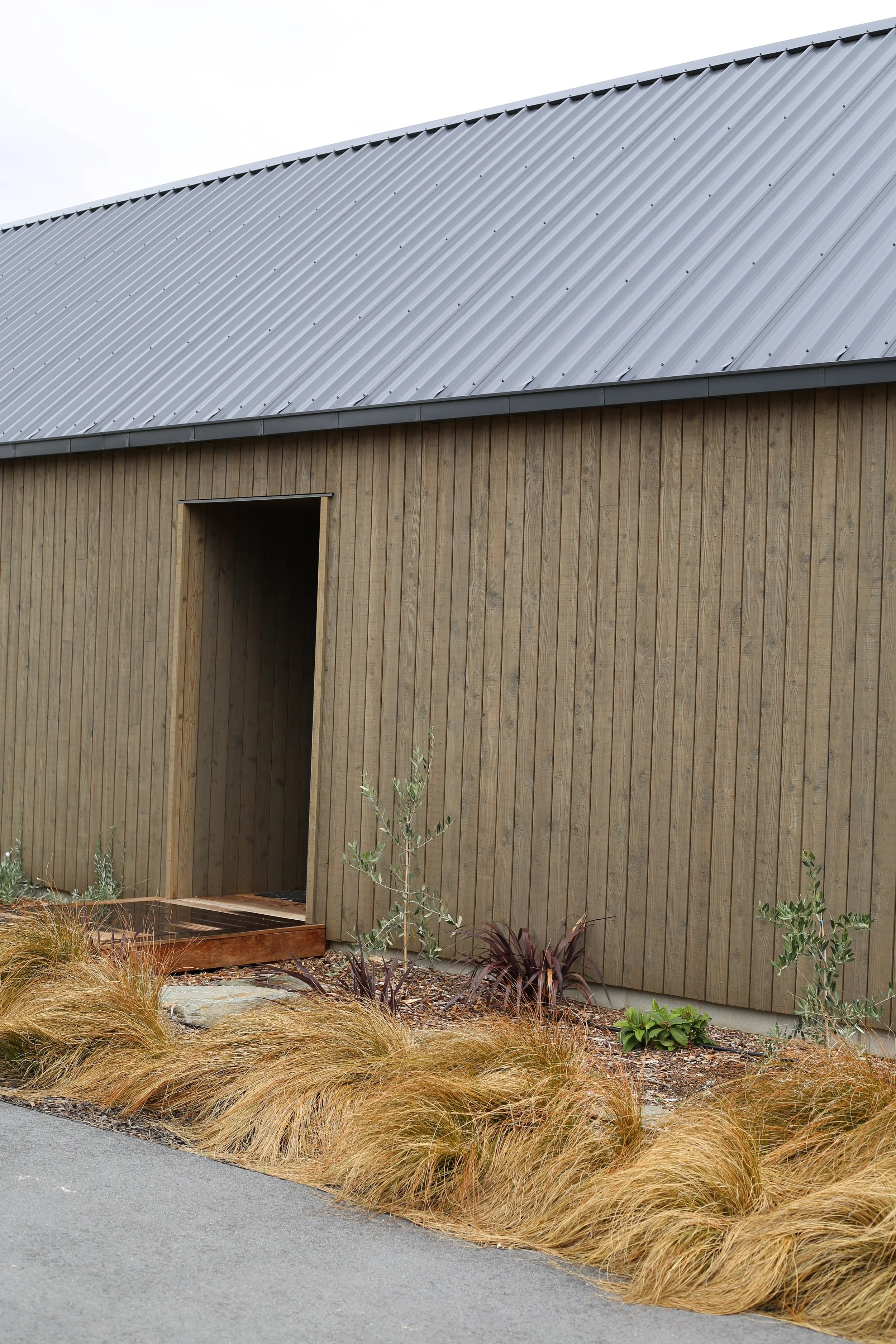
Those constraints turned out to be good training. Thirteen homes have been completed across Wanaka, seven of them within the Kirimoko Park development, ranging from houses built to a tight budget to a high specification.
What followed was less expected.
Clients in Auckland began asking whether the practice could design for them in Central Otago too. Some were existing clients building a ski home. Most were Auckland families trading city life for the lake, and building the house they intended to live in.
The work that started as a developer relationship became a residential practice in a second region.
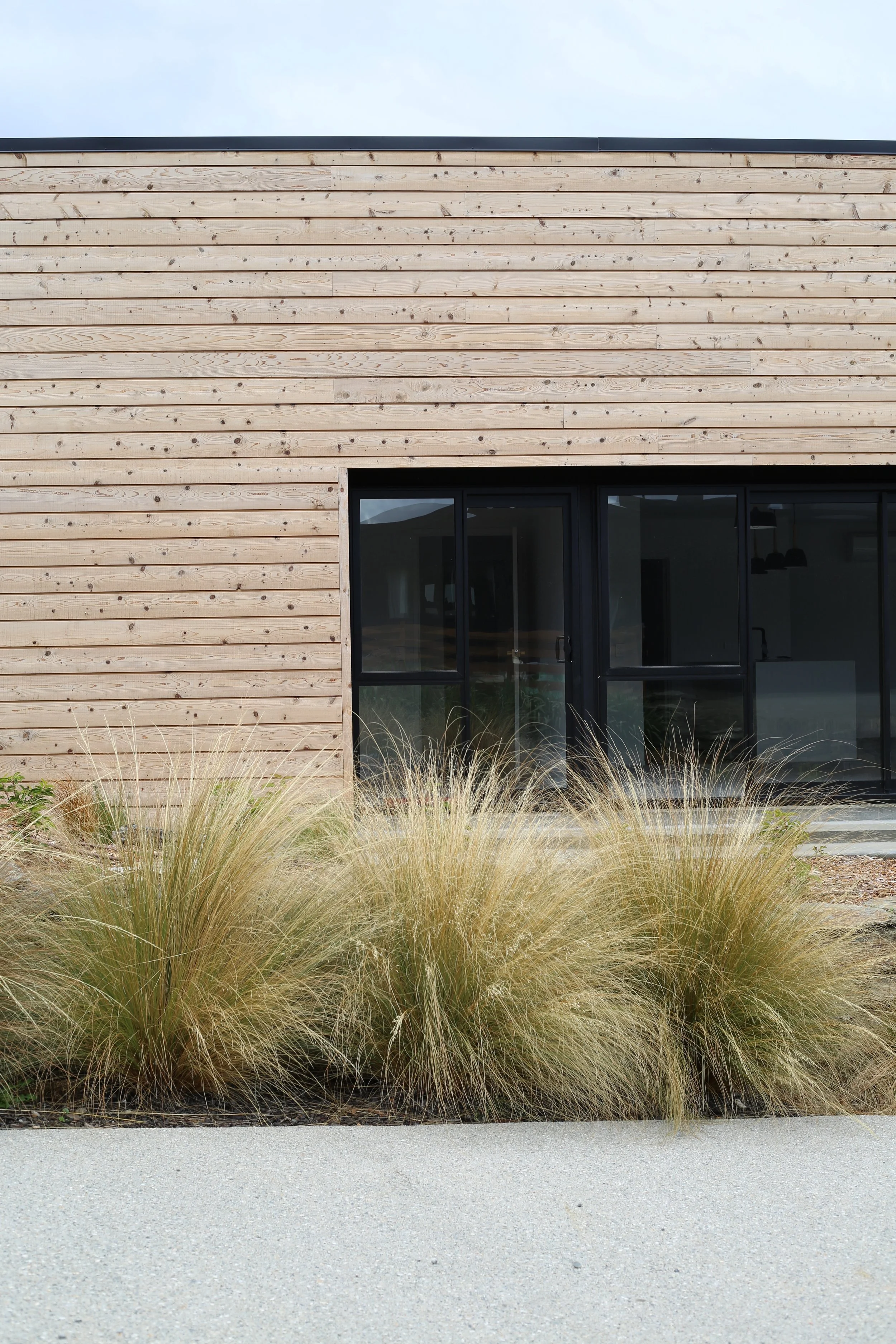
Fourteen years on, that means a network of local builders and engineers who run the site day to day, quarterly visits from the Auckland studio, and a working knowledge of the Queenstown Lakes District Council consenting process rather than Auckland's. Further work is underway at Orchard Park and Pembroke Terrace, and enquiries are welcome across Central Otago, including Queenstown, Arrowtown, Clyde and Cromwell.
A house here has to satisfy the covenant, the climate, the budget and the people living in it. We design to all four. That's what fourteen years in Central Otago buys you: houses that suit the landscape, hold their warmth, come in on budget, and reward the people who built them.