
THE GUIDE | What to Check Before Buying a Home to Renovate
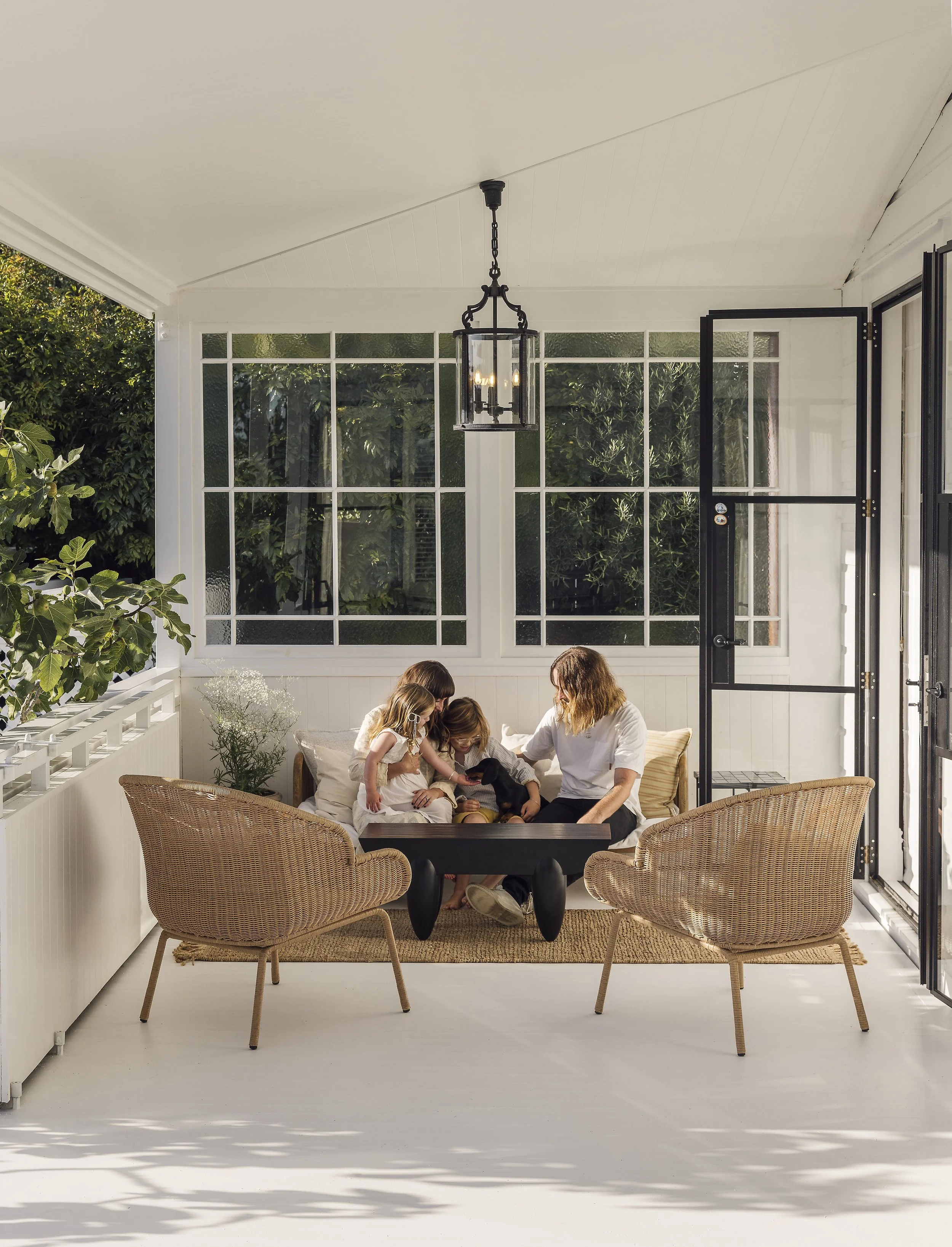
So you want to buy a villa?
The romance is real. But the questions that decide whether a renovation works, like the overlay, height to boundary and whether you can do it in stages, are not at the open home.
And it is not just villas. A Grey Lynn bungalow, a Ponsonby workers' cottage, a St Heliers brick and tile: the house type changes, but the questions do not.
Buying a home is one of the biggest financial decisions you will make. Presentation and location are easy to judge on a Saturday morning. Renovation potential is not.
At Macfie Architecture we offer a complimentary pre-purchase architectural assessment, so you understand what a property is genuinely capable of before you commit. With twenty years of experience across Auckland, particularly in villa and bungalow renovations, we can quickly identify both the opportunities and the constraints that are not obvious from an open home.
Here are the five things we look for.
1. Renovation potential and layout opportunities
Most homes have more potential than they first appear. With an architectural eye, we can assess whether the existing layout can be meaningfully improved, identifying opportunities to reconfigure internal spaces, create open-plan living areas, improve indoor-outdoor flow, add extensions or additional levels, and modernise kitchens and bathrooms.
In a villa, that usually means the central corridor and the rooms running off it. In a bungalow, it is the dark middle and the level change down to the garden. In a newer house, it may be orientation, or a plan that never made sense in the first place.
Understanding what is possible early helps you decide whether a property can realistically become the home you are imagining, and whether it is worth the investment.
2. Structural feasibility
Good renovation design starts with understanding how a home is actually built. During a pre-purchase assessment, we consider the structural walls and load-bearing elements, roof structure and ceiling heights, foundation type, and the feasibility of any extension you are considering.
Older homes were built well, but they were built a long time ago, and most have been altered at least once by someone who was not thinking about what you want to do next.
These factors shape how easily a house can be altered and have a direct bearing on your overall renovation costs. Knowing them upfront avoids expensive surprises later.
3. Council rules and consent requirements
As part of our pre-purchase advice, we give initial guidance on whether the changes you have in mind may need resource or building consent, any heritage or character protections that apply to the property, and the height, boundary and site coverage restrictions that could influence the design.
Understanding the consenting landscape before you buy is one of the most valuable things an expert can offer, and one of the most overlooked.
4. Character and heritage considerations
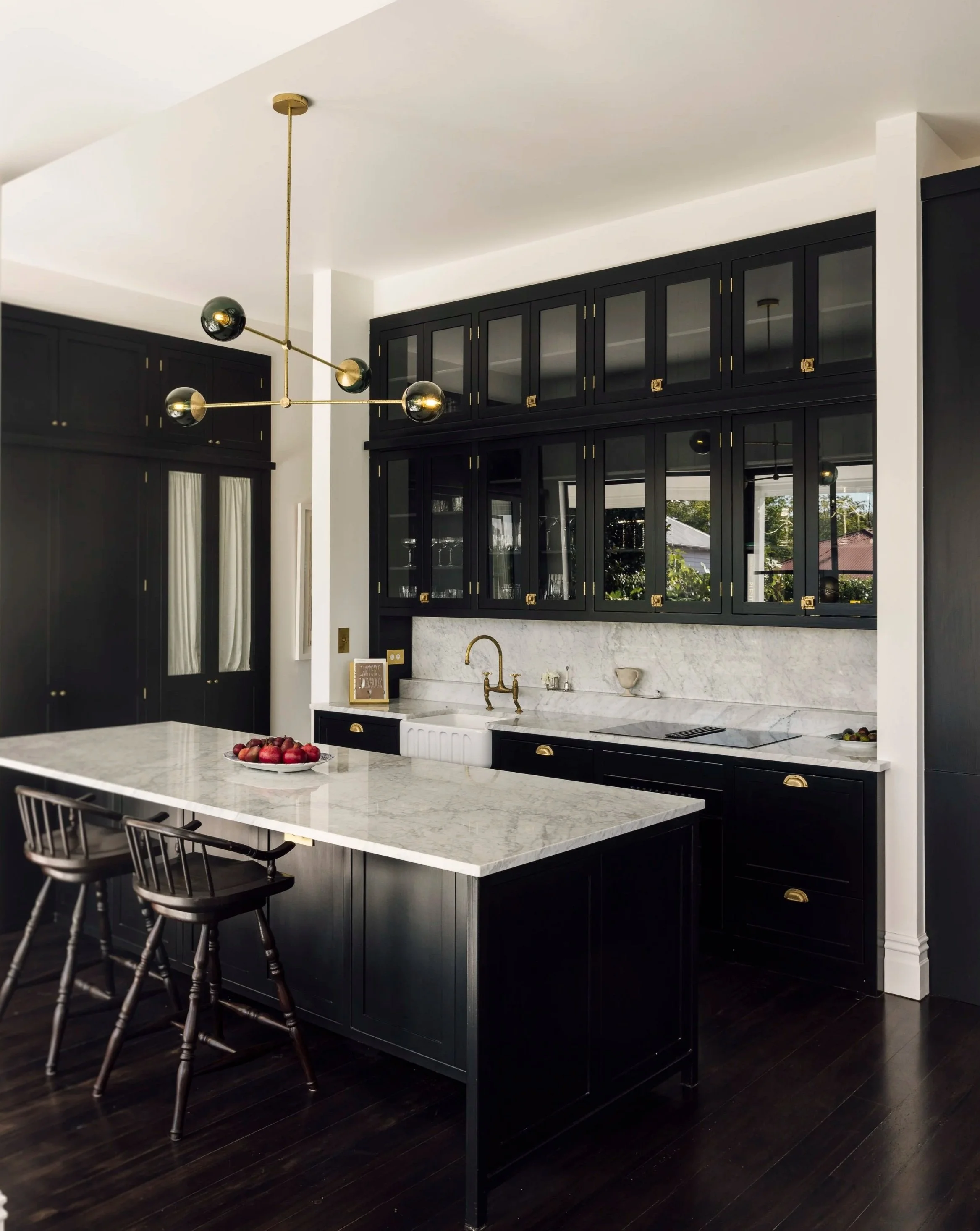
Many of the homes we work with, particularly villas and bungalows, carry heritage value or fall within character-protected areas. These homes can be wonderful to renovate, but they require a sensitive approach and careful navigation of council requirements.
We can help you identify which elements are worth preserving, how to modernise the home while keeping its character, and whether heritage controls are likely to influence the options available to you.
This is the part that most often decides whether the renovation you are imagining is the one you will end up with. Better to know before you bid.
5. Indicative renovation costs
The most common question we hear at a pre-purchase assessment is simple: how much might this cost?
Exact figures depend on design and scope, but we can give you indicative renovation cost ranges based on twenty years of delivering projects across Auckland. That tells you whether the renovation fits your budget, how much you may need to invest after the purchase price, whether the property represents good long-term value, and whether a staged approach, spreading the work across time, might be a practical option.
Before you decide you have found the one
A short conversation with us can reveal opportunities, or limitations, that simply are not visible at an open home. Sometimes that is something you had not seen. Sometimes it is a reason to keep looking.
Before you decide you have found the one, we will come and look with you. We will usually view one to three properties with you while you are deciding, and tell you whether the renovation you are imagining and the planning reality can meet.
Heritage is what we know best.